Un proyecto de


A project of


Our Community


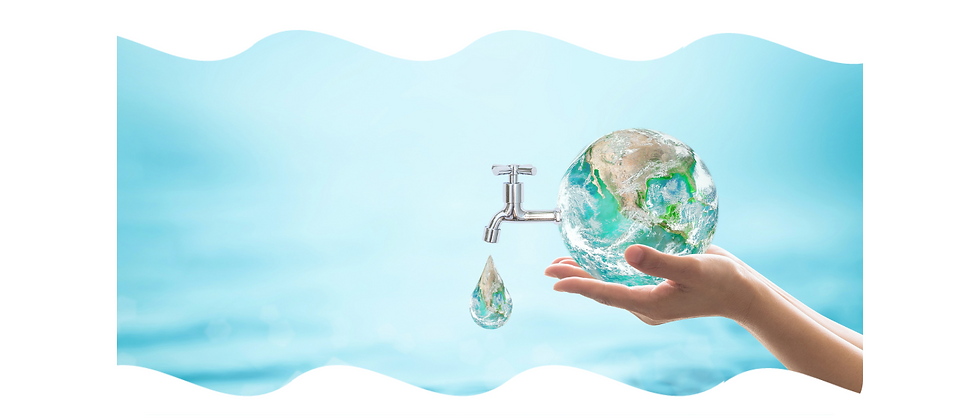
World Water Week
Sowing Seeds of Change
It is unthinkable to imagine a world without water. Its importance and the roles it plays on the planet are crucial to the lives of all the living beings that inhabit it. From the most basic uses such as bathing, drinking to quench our thirst, and keeping a kitchen clean, to ensuring hygiene in a hospital or the sanitation of entire communities. Above all, this resource makes possible the biological processes of ecosystems, which in turn sustain the survival of all the animal and plant species that live on Earth.
Today, due to climate change, the water cycle has been altered, and as a result it also affects the life of ecosystems on Earth. Although it may seem that we have enough water for everyone and that its cycle remains constant, its actual availability shows otherwise. This is why it is so important to have more education on properly managing the consumption of this resource, and so prevent it from running out.
“What ideas and innovations will we need in a more unstable, water-scarce world? How can water be a tool to address issues such as climate change, poverty, and biodiversity loss?
World Water Week 2023 sets out to tackle these questions under the theme Seeds of Change: Innovative Solutions for a Water-Wise World.”
In Mexico we are privileged, and that is why we take this date as our banner to remind everyone of the importance of caring for, valuing, and using water sustainably.
We are all seeds of change, and we can come together through actions for water aimed at making better use of it and avoiding waste, such as:
Prevent water leaks
Toilets and faucets are among the main sources of water leaks in homes. A steady drip can add up to a daily loss of 30 liters of water in a household, that is, around 11,000 liters a year, the equivalent of 18 rooftop water tanks. This figure can double in the case of a toilet leak.
Collect rainwater
Collecting rainwater in barrels or drums is a sustainable practice that can help conserve water and protect the environment. It is also an alternative way to have water available for various uses, such as watering gardens and plants, flushing toilets, washing cars, or other non-potable purposes.
Turn off the tap
Turning off the tap when water isn’t being used during daily routines such as handwashing, brushing teeth, washing dishes, bathing, and personal hygiene can save up to 70% of this vital resource. Other ways to save water include taking 5-minute showers, turning off the water while lathering, brushing your teeth with just one glass of water, and soaping all the dishes before rinsing them at the end. These actions can make a big difference and save a significant amount of water over time.
Water-efficient toilets
Conventional toilets have tanks that hold between 10 and 16 liters of water. Considering that a person uses the toilet an average of six times a day, water use in states such as Hidalgo and Zacatecas is equivalent to filling 118 and 62 Olympic-size swimming pools, respectively, EVERY DAY.
Using water-efficient toilets cuts water use to about a third. If you don’t have one of these toilets, one option is to place two plastic bottles filled with sand or water in the tank to reduce the volume of water it holds.
Optimize garden watering
Roughly every 10 minutes of garden watering uses more than 100 liters of water (that is, 5 or 6 buckets, which is what one person needs per day for drinking and hygiene), and most of it evaporates.
Watering in the early morning or at night makes better use of the water and prevents it from evaporating.
We know that every act of water conservation is a big step toward a greener future.
Let’s take care of the resource that connects us all.

Tags: Water care, Commitment to water, World Water Week, Sustainability



Join us
Let’s build together a
future with water, a,
future with life.