Un proyecto de


A project of


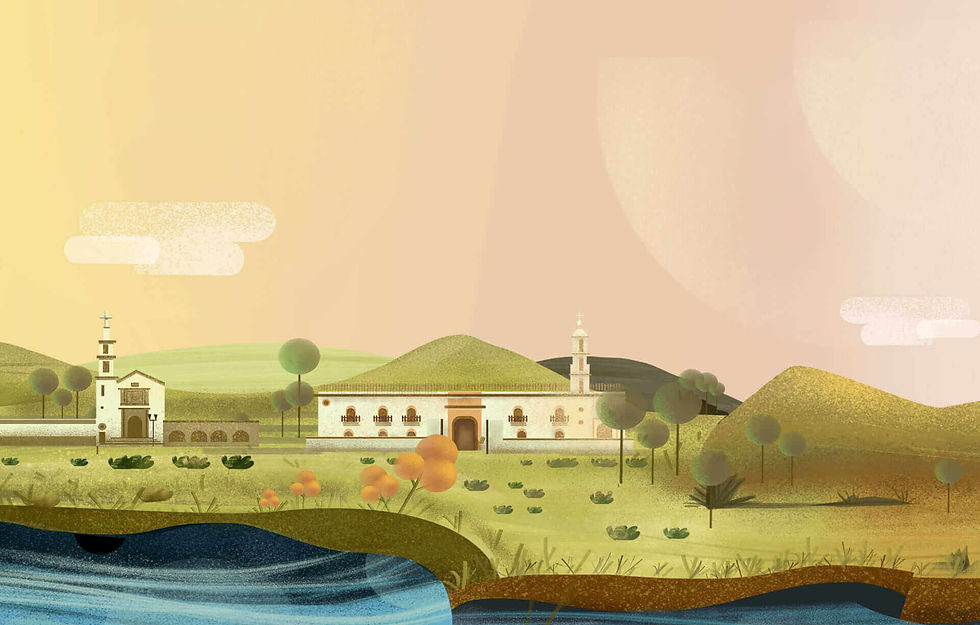
Our Community


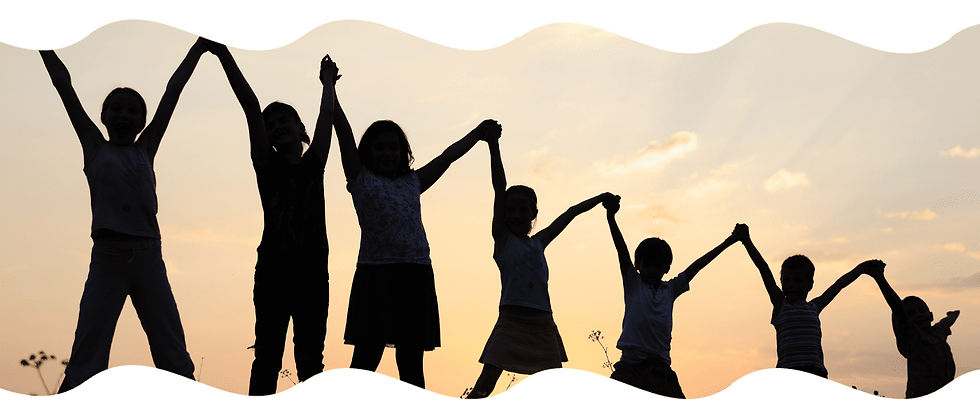
Young people and children in water conservation
"The last generation with the power to change"
Everything we are and do is the result of what we have learned in our social environments, whether family, school, or professional.
The way we behave, and our beliefs and attitudes toward life and toward our surroundings, are the cultural baggage we pass on from generation to generation. Learning is social.
The way we carry out each of our activities, the way we produce our food, and how we consume products and services are a reflection of what our parents instilled in us, which they in turn learned from our grandparents, and so on.
On the other hand, we know and understand very well the problem we currently face on the planet as a result of climate change, and its devastating effects on food production and on the survival of the populations of all the planet's species, including us. Rising temperatures cause, among other things, water shortages that affect the most vulnerable populations.
We have reached this point precisely because of the way we have learned not only to feed ourselves, to dress, and to carry out all our activities, but also how we consume our resources.
Although environmental issues and ecological awareness gained strength from the 1970s onward, concern for the environment was driven more by economic effects than ecological ones. Today, young people aged 18 to 30 are the age group most concerned about climate change and the ecosystem, and those younger than that already have sustainability, recycling, reduction, and water care in their DNA.
Children and young people are the most committed to caring for the environment, and they teach previous generations about recycling, reducing, reusing, and caring for water, among other topics. We are at the point of changing and letting ourselves be guided by the knowledge that the new generations are showing us; they represent the change from the outgoing generations.

For Aguas Firmes, being able to have that connection with the youngest is very important, since they are the drive the planet needs to make fundamental changes in building a sustainable future.
We believe that if we begin to foster in the new generations a mindset of caring for the environment, saving water, caring for plants and animals, a culture of recycling, reusing, and reducing plastics, and any sustainable action, planetary health will be visible in the future.
According to the UN, we have barely 8 years to be able to write a new story when it comes to sustainability.
From the Aguas Firmes project, we have promoted the active participation of the communities where we operate [Calera, Zacatecas, and Apan, Hidalgo], including children and young people. Their vision of caring for water and the impact it has on the planet's sustainability is a source of inspiration for our project. That is why we proudly display the children's and young people's artworks that beautify our site, to learn more about their perspective and the future they dream of. See gallery.
The last hope of achieving change lies with children and young people, and they are the ones who have a fundamental two-way role: learning and teaching.
From the Aguas Firmes project of Grupo Modelo and the German Cooperation for Sustainable Development, we know that we have to do something on each and every one of the fronts in which we take part: home, schools, industry, government, and the community at large.
We are all the change.
Visit our site and together let's achieve a sustainable future.




Join us
Let’s build together a
future with water, a,
future with life.