Un proyecto de


A project of



Our Community


Service Crop
An Option for Improving Soil and Caring for Water
One of the main challenges in agriculture is that, over time, both soils and ecosystems lose their original characteristics; that is, their structure degrades, nutrients decline, the water cycle is affected, and greenhouse gases increase.
For this reason, it is important to know what sustainable agriculture practices can do for our ecosystems.
We have already talked about conservation agriculture and how it can make the difference between having or not having food and water in the coming decades.
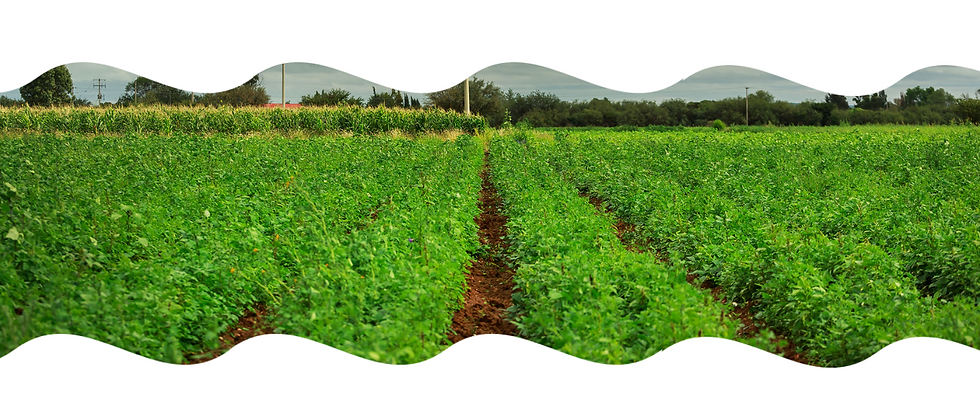
Now we want to talk about service crops. These are crops that are not harvested, but are grown to provide an ecosystem service, whether to be used as fodder or simply as green manure, with all the benefits that this brings.
According to the International Maize and Wheat Improvement Center (CIMMYT), "service crops, cover crops, bridge crops, or green manures are terms commonly used to refer to a range of crops that are sown with the aim of improving the properties of the soil by providing it with a living plant cover (temporary or permanent)"

In this farming practice, crops generate biomass, which is the total amount of living matter present in a community or ecosystem, and which helps protect the soil from erosion, as well as capturing nitrogen from the atmosphere or fixing it in the soil, reducing the use of fertilizers or herbicides. Of all the mineral nutrients that exist on the planet, nitrogen is the one that has the greatest positive effect on plant development and growth. The nitrogen generated by these crops produces amino acids and other molecules that plants need.
It must be kept in mind that the conditions and needs of each region are different, so there are many service crop options, including: legumes such as lentils or peas which, because of the structure of their roots, prevent soil compaction and produce more nitrogen. Grasses such as oats or rye prevent soil erosion and grow and develop quickly. And non-leguminous plants such as radishes, turnips, or canola are generally used to control weeds and generate organic fertilizer.
The benefits of service crops are many, and the choice depends on the type of soil, the climate, and other conditions of the land where they will be used.
Benefits
Conservation and improvement of soil structure
Prevents erosion
Infiltration of water into the subsoil
Lower water consumption
Restores soil conditions
Reduces weeds
Increases biodiversity
Controls pests and diseases
Shorter time between sowing and harvest
Reduced use of fertilizers and herbicides
At Aguas Firmes we advise farmers on implementing sustainable agriculture practices, such as service crops, which represent a viable increase in productivity, in the improvement of our soils, and in the care of water.
Get informed and get involved with us!

Aguas Firmes is a project of Grupo Modelo and the German Cooperation for Sustainable Development – GIZ
Tags: Cover crops, Sustainable agriculture, Sustainability, Water conservation



Join us
Let’s build together a
future with water, a,
future with life.